Predictive Molecular Intelligence

Predictive Molecular Intelligence for Controlled Environments.

Detect. Predict. Control. From biological systems to advanced manufacturing environments.

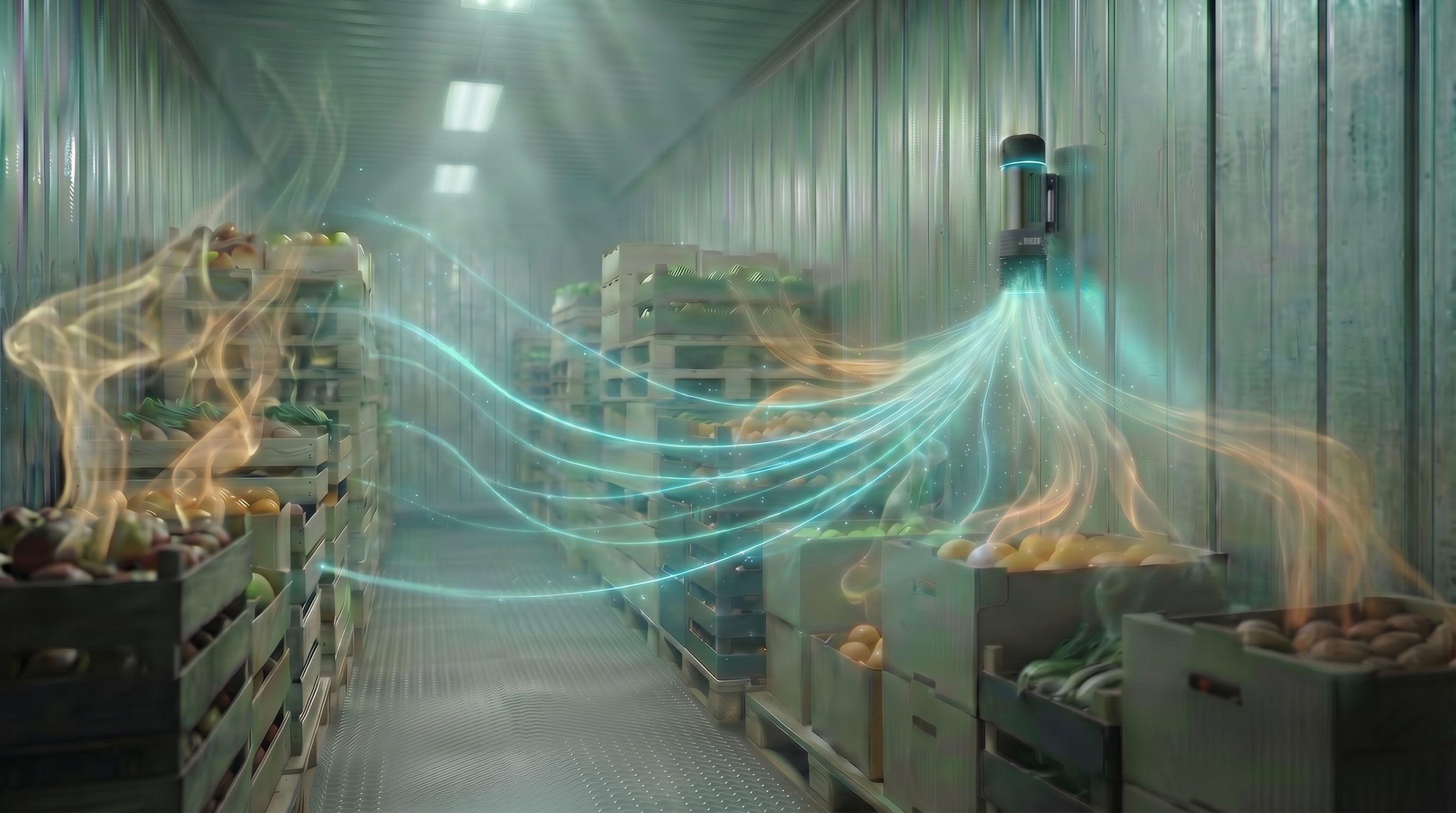
Moseley is a Predictive Molecular Intelligence platform that detects, predicts and controls molecular environments across fresh produce and advanced manufacturing supply chains. We don't just measure the environment — we model where it is heading, then intervene before degradation occurs.

Detect Predict Control

Predictive Molecular Intelligence for Controlled Environments.

Detect. Predict. Control. From biological systems to advanced manufacturing environments — Moseley monitors and controls molecular state before degradation occurs.

Detect.Predict.Control.
41 sites 6 countries 2,847 active canisters live fleet
The platform architecture

A Predictive Molecular Intelligence platform.

Moseley is not a single-product company, and not defined by any one market. It is a platform company — a closed-loop architecture for sensing, predicting and controlling molecular state. These capabilities can be applied wherever molecular state influences quality, yield, safety, performance or economic value.

One platform architecture applied across many environments — a central glowing cyan hub connected to multiple controlled-environment nodes including farms, labs and facilities
01 Molecular Recognition Detect A biomimetic metal-cystine sensing array reads the molecular fingerprint of the environment at parts-per-billion.
02 Predictive Intelligence Predict On-device models trained against laboratory-grade references predict trajectory and risk before degradation occurs.
03 Autonomous Intervention Control An integrated remediation layer acts on the environment automatically when risk crosses a threshold.
04 Fleet-Level Orchestration Orchestrate Distributed nodes coordinate across a site and a supply chain as one managed, continuously learning fleet.

One platform. Multiple applications. The same architecture — molecular recognition, predictive intelligence, autonomous intervention and fleet-level orchestration — applies to ethylene in fresh produce, airborne molecular contamination in semiconductor manufacturing, and a broad range of future controlled-environment applications.

The architecture, applied · Initial commercial focus
Inspired by nature

Moseley combines biomimetic molecular recognition, predictive intelligence and autonomous intervention to monitor and control molecular environments — before degradation occurs.

Focus without limitation

Fresh produce represents Moseley's initial commercial focus due to its significant economic, operational and environmental impact. The underlying platform architecture is designed to support a broad range of molecular intelligence applications across controlled environments.

The initial deployment strategy

Why fresh produce first

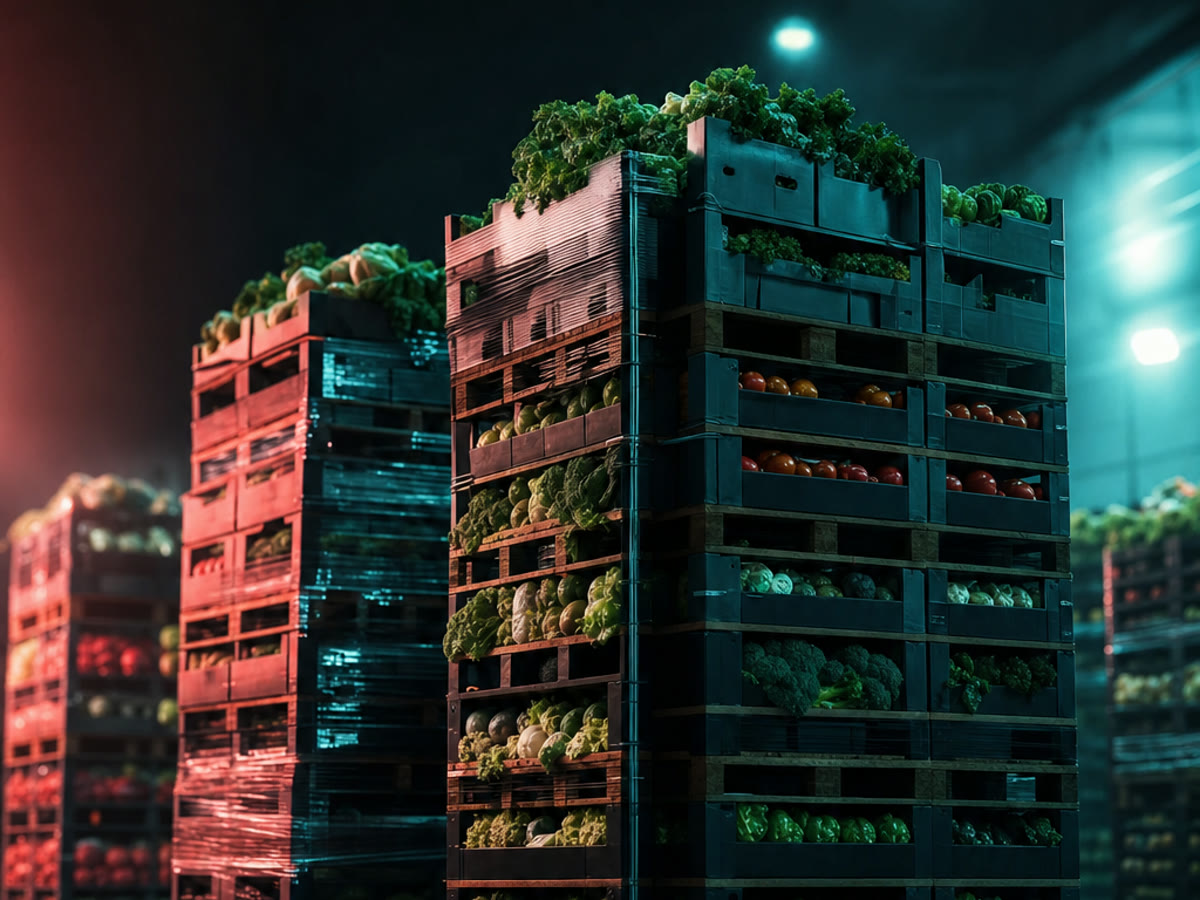
Fresh produce provides a unique opportunity to combine commercial value with environmental impact. By reducing spoilage, extending usable shelf life and improving logistics outcomes, the Moseley platform has the potential to reduce food waste while lowering the carbon footprint associated with production, refrigeration, transportation and disposal.

01 Significant global food waste A large share of fresh produce is lost between harvest and consumption — a vast, measurable problem the platform is built to attack.
02 Ethylene-driven quality loss Ethylene silently accelerates ripening and spoilage. Detecting and controlling it directly preserves quality and shelf life.
03 Strong commercial ROI Reduced shrink, longer shelf life and better logistics outcomes translate into a clear, near-term return for operators.
04 Existing customer demand Supply-chain partners are actively seeking predictive, closed-loop intervention — demand exists today, not in theory.
05 Opportunity to reduce carbon emissions Less waste means less wasted production, refrigeration, transport and disposal — lowering the embedded carbon footprint.
Platform scalability

Future applications

The same architecture extends naturally to other controlled environments where molecular state determines value. These represent future expansion enabled by the platform — not separate businesses.

Floriculture (Cut Flowers) Ethylene sensitivity drives vase-life loss across cut-flower logistics.
Controlled Environment Agriculture Indoor and vertical farms where atmosphere directly governs yield and quality.
Seed Storage Long-term viability depends on tightly controlled storage atmospheres.
Post-Harvest Logistics Continuous molecular intelligence across storage and transport.
Industrial Process Monitoring Environments where molecular state influences process safety and performance.
Additional Controlled Environment Applications Wherever molecular state influences quality, yield, safety or economic value.

Presented as examples of platform-enabled expansion. Fresh produce remains Moseley's current commercial focus.

Environmental impact

Reducing Waste. Reducing Emissions.

Moseley is designed to deliver economic and environmental value at once. By preventing spoilage before it happens, the platform reduces the resources wasted on product that never reaches consumption.

Food waste reduction Predictive intervention keeps more product in spec and out of the bin.
Improved resource utilisation Production inputs deliver more usable product per unit grown.
Reduced transport losses Fewer rejected and degraded loads across the cold chain.
Lower refrigeration waste Energy spent cooling product is not wasted on spoiled goods.
Reduced landfill emissions Less spoiled product means less methane-generating organic waste.
The Moseley sensing architecture spanning fresh produce cold storage, protein and meat processing, pharmaceutical cleanrooms and semiconductor fabs, connected by a mesh of cyan sensor nodes.
Applications

One platform, applied where molecules destroy value

The same closed-loop architecture transfers across environments — today in the fresh produce cold chain and semiconductor manufacturing, with adjacent verticals in development. Swap the sensing chemistry and the trained model, and the platform follows the molecule.

Commercial wedge · Live Fresh produce cold chain Ethylene drives ripening and spoilage across the fruit and vegetable supply chain. Moseley detects it at parts-per-billion, predicts shelf-life loss, and remediates inside the container. Target signal · Ethylene (C₂H₄)
Adjacent vertical Protein & meat Red meat, poultry and seafood release spoilage gases — ammonia, hydrogen sulphide and volatile amines — well before they are visible or smelt. The same array chemistry, retuned, gives an early freshness signal across processing, storage and transport. Target signals · NH₃ · H₂S · amines
Adjacent vertical Pharma cold chain Temperature-sensitive biologics and vaccines demand contamination-free, in-spec air for the full journey. Moseley nodes monitor the cold chain continuously and flag excursions before product is compromised. Target signals · VOCs · contaminants
Adjacent vertical Clinical & healthcare Clinical environments need clean, monitored air. The same detect-predict-remediate loop watches for airborne contaminants and acts on them, integrating into existing building and ward systems. Target signals · VOCs · airborne contaminants
Origin platform · Future extension Semiconductor fabs → Airborne molecular contamination (AMC) degrades yield in semiconductor cleanrooms. The platform's origin vertical — real-time AMC monitoring across docks, tools and load ports. Target signals · AMC molecules
A semiconductor fabrication cleanroom with operators in bunny suits among process tools, overlaid with a glowing cyan mesh of Moseley sensor nodes monitoring airborne molecular contamination.

Industries beyond fresh produce are in development. The underlying patents cover the architecture, not a single gas — new verticals reuse the same detect, predict and remediate stack.

→ Let's talk