
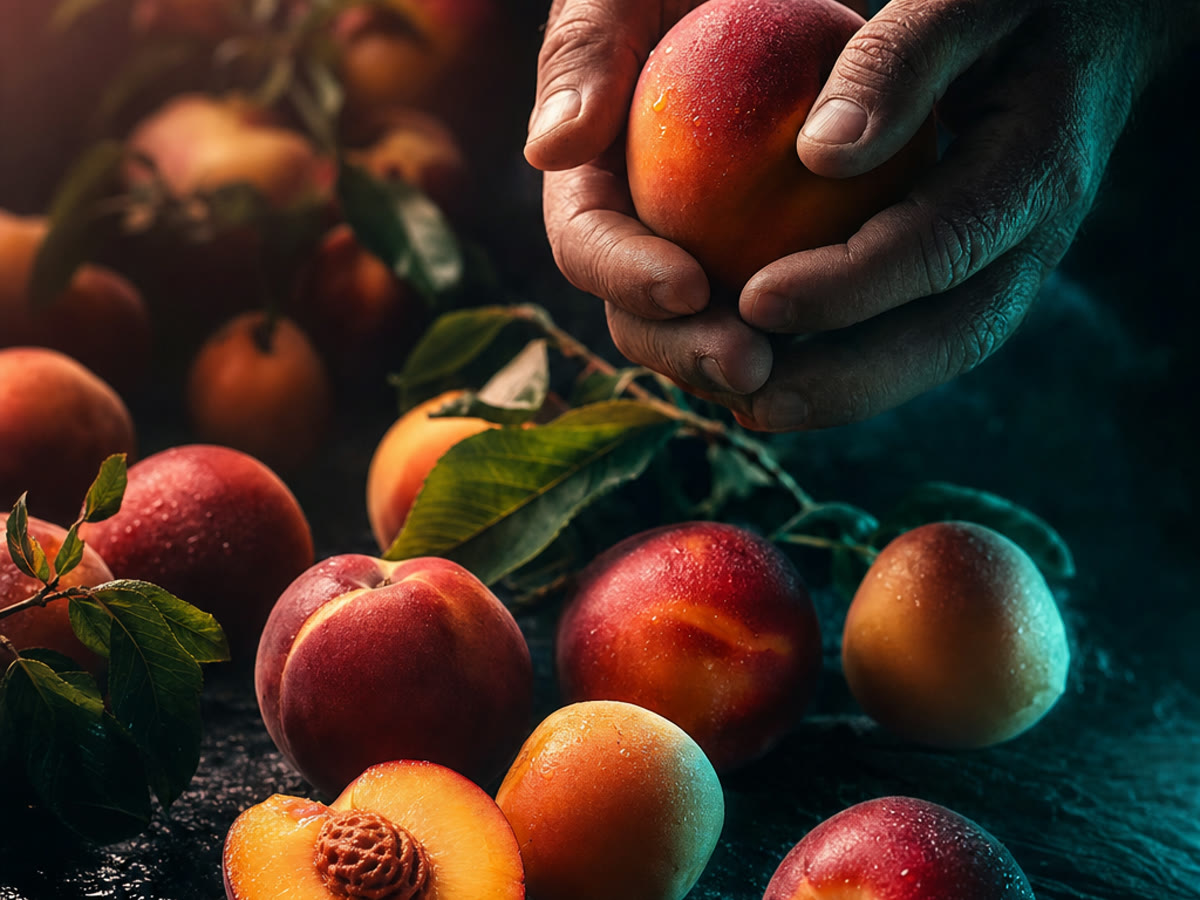
Feed More People
Recover food currently lost after harvest through earlier detection and intervention.
Detect. Predict. Remediate.
Moseley transforms ethylene from an invisible threat into actionable intelligence, enabling growers, exporters and retailers to reduce waste, improve quality and maximise shelf life.
Detect. Predict. Remediate. Moseley transforms ethylene from an invisible threat into actionable intelligence, enabling growers, exporters and retailers to reduce waste, improve quality and maximise shelf life.
Ethylene is a naturally occurring plant hormone that controls ripening. A single ripening pallet can accelerate spoilage across an entire shipment.
Today there is no widely deployed platform capable of detecting, predicting and actively responding to these biological events in real time.
Moseley changes that.
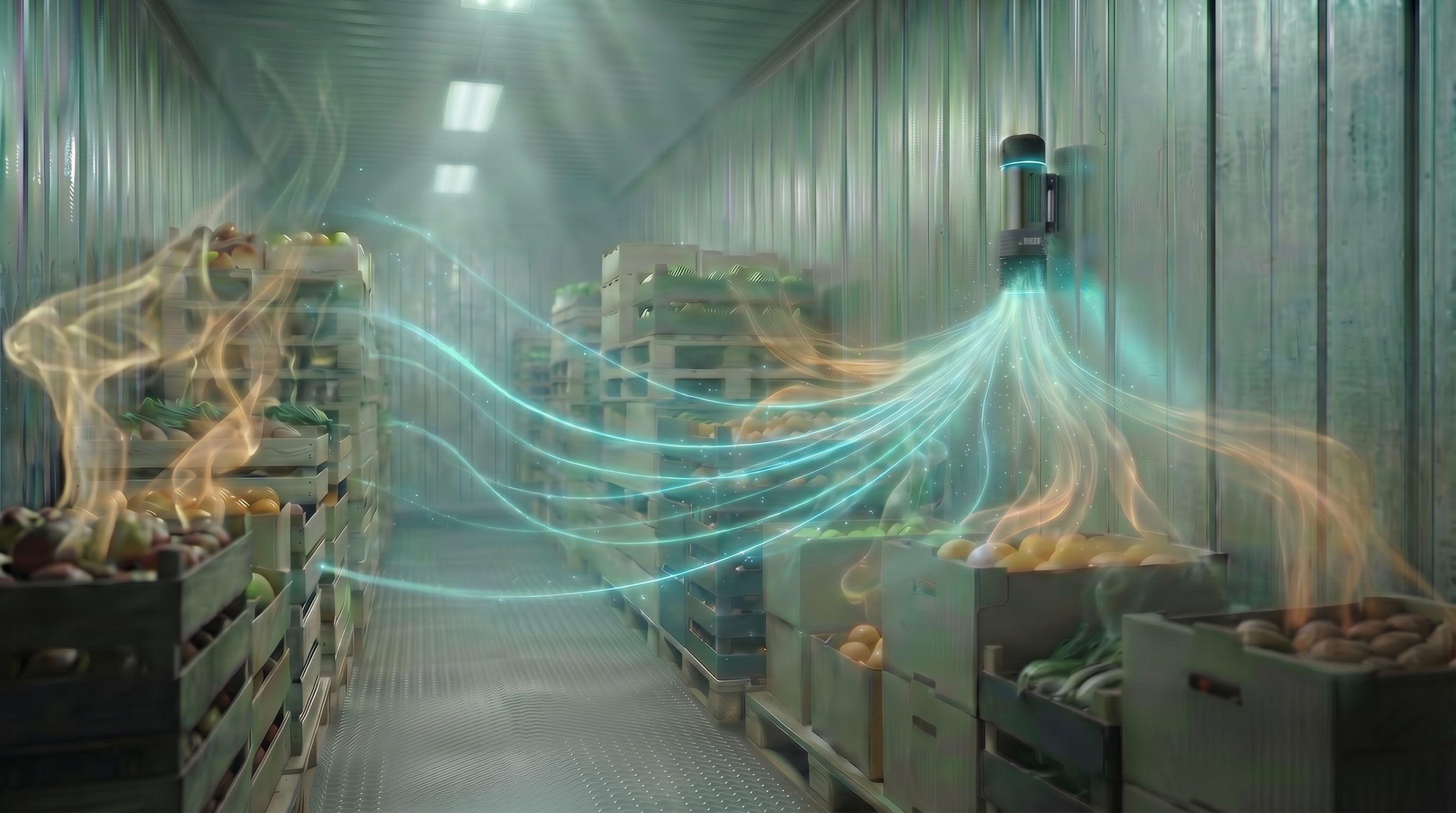
Every pallet lost to premature ripening represents more than lost produce. It represents wasted land, water, fertiliser, energy, packaging and transport already invested in growing and delivering that food. By detecting, predicting and remediating ethylene-driven spoilage, Moseley helps preserve food that has already been produced — improving food security while reducing the environmental impact associated with food waste.
Recover food currently lost after harvest through earlier detection and intervention.
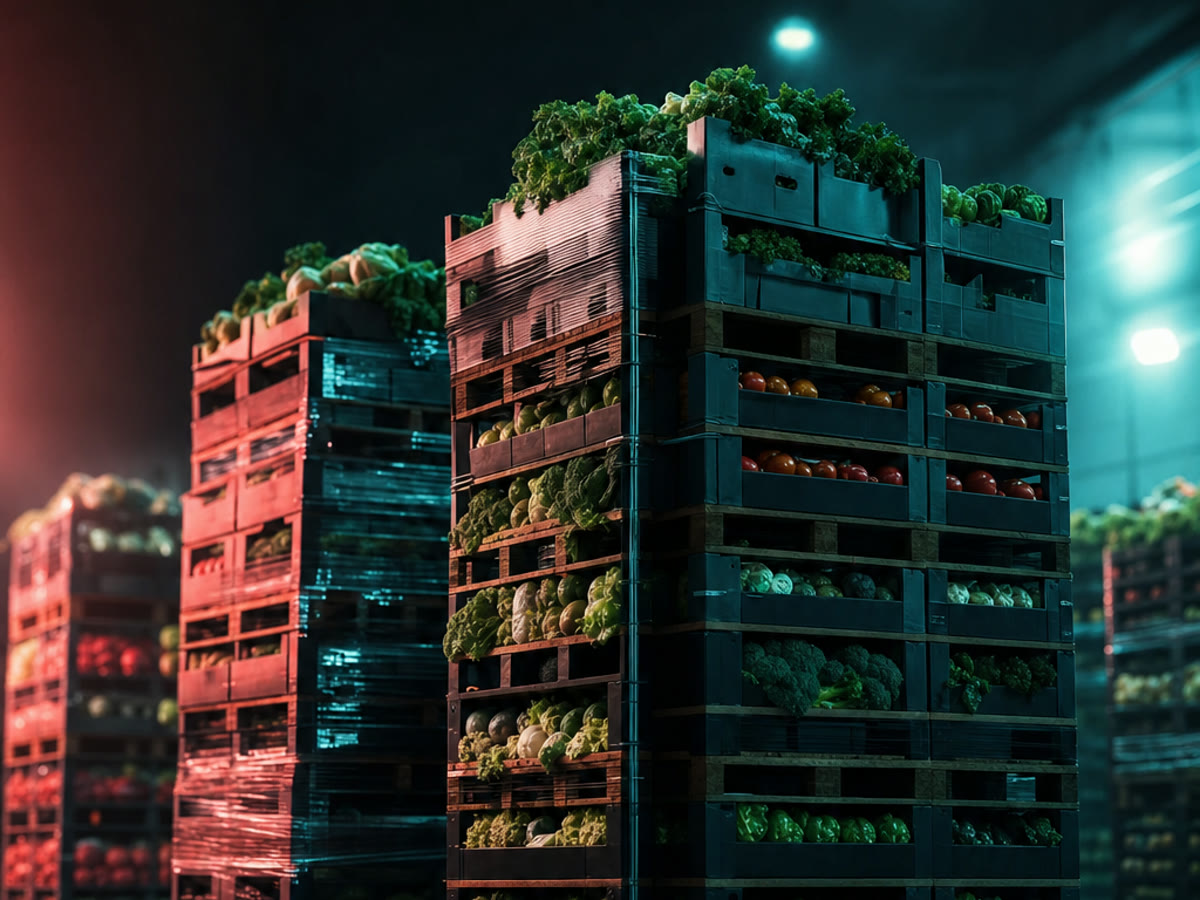
Prevent spoilage before it propagates through cold-chain storage and transport.

Preserve the embedded carbon, water and energy already invested in growing and transporting fresh produce.
Every pallet saved prevents waste across the entire supply chain.
When produce is lost, the resources used to grow, harvest, package, refrigerate and transport it are lost as well.
Reducing spoilage improves both profitability and sustainability.
A closed-loop biological intelligence platform for fresh produce — detecting ethylene, predicting ripening trajectory, actively remediating, and orchestrating across the supply chain. One signal-agnostic architecture: Detect → Predict → Remediate → Orchestrate.






Ethylene represents one of the largest and most commercially significant causes of fresh produce loss globally.
By solving ethylene first, Moseley addresses a problem that impacts growers, exporters, retailers and consumers across virtually every fresh produce supply chain.
Ethylene is the first biological signal being commercialised through the platform because it offers the greatest opportunity to reduce waste and improve quality at scale.
From packing shed to cool room, reefer container to distribution centre — biological intelligence at every stage where ethylene drives spoilage.

01 · Packing shed
Apples, pears, stone fruit graded and packed for export.

02 · Cool room
Mangoes, avocados, bananas held at temperature and gas equilibrium.

03 · Reefer container
Sea freight to global markets — weeks at sea, hours of risk.

04 · Distribution centre
Cross-docked, routed and dispatched to retailers and wholesalers.
Quality produce delivered.
Export logistics de-risked.
Food waste reduced.
Shelf-life extended.
One Architecture. Multiple Biological Signals.
Moseley is being developed first around ethylene intelligence for fresh produce. The underlying Detect → Predict → Remediate → Orchestrate architecture has been designed to support additional biological signals over time. Ethylene remains the primary commercial focus.

Bananas · Avocados · Mangoes · Apples · Pears · Stone fruit
Ethylene sensing, prediction and remediation across the fresh produce cold chain. Today's primary commercial focus.


